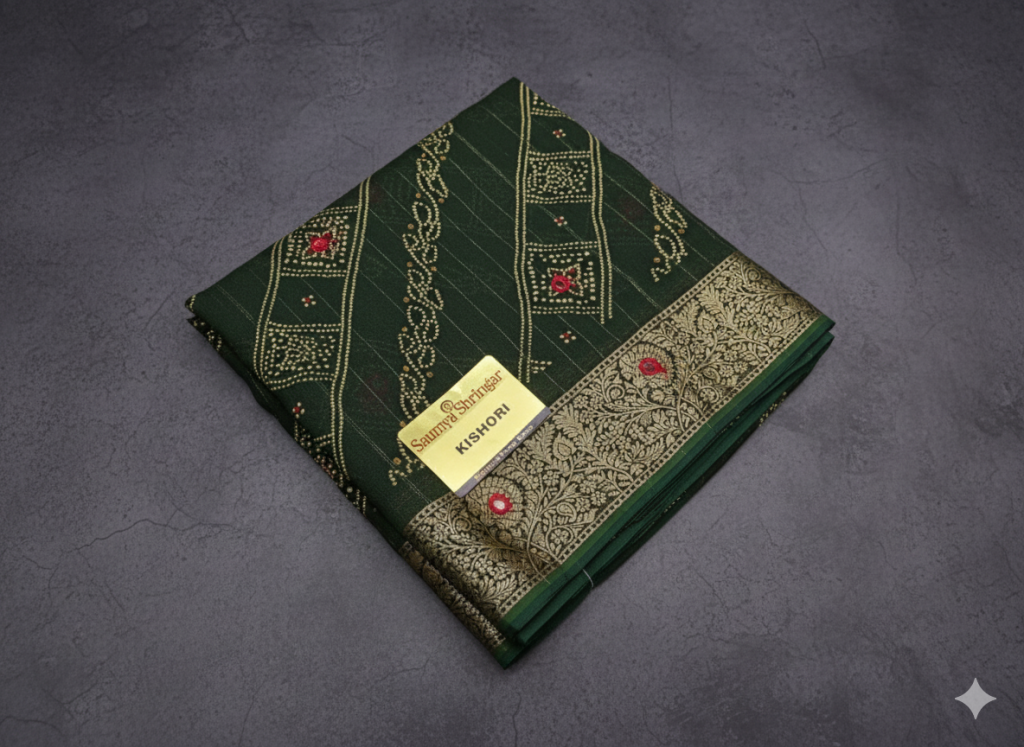
The Ultimate Guide to Choosing Your Perfect Saree: Silk, Cotton, and Georgette Varieties
When it comes to traditional Indian attire, nothing quite captures elegance and grace like a beautifully draped saree. Whether you’re attending a wedding, festival, or formal occasion, understanding the different fabrics available can help you make the perfect choice. Among the most popular options are silk saree, cotton saree, and georgette saree – each offering unique characteristics that suit different occasions and preferences.
Understanding the Timeless Appeal of Silk Saree
A silk saree represents luxury and tradition in Indian fashion. These gorgeous drapes have been cherished for centuries, originating from various regions across India. The lustrous sheen and rich texture of a silk saree make it an ideal choice for weddings and grand celebrations. Banarasi, Kanjivaram, and Tussar are just a few varieties that showcase the incredible diversity within silk weaving traditions.
What makes a silk saree truly special is its ability to hold intricate designs and heavy embellishments. The fabric’s natural protein fibers create that distinctive shimmer that catches light beautifully. When you invest in a quality silk saree, you’re not just buying clothing – you’re acquiring a piece of art that can be passed down through generations. The weight and fall of silk create stunning pleats that hold their shape throughout the day.
[Image 1: Close-up of colorful silk sarees showing intricate patterns and lustrous fabric texture]
The Comfort and Versatility of Cotton Saree
For everyday wear and warmer climates, nothing beats the comfort of a cotton saree. This breathable fabric has been a staple in Indian wardrobes for practical reasons – it keeps you cool, is easy to maintain, and suits casual as well as semi-formal occasions. From simple handloom varieties to elaborate printed designs, cotton sarees offer endless possibilities.
Regional varieties like Chanderi, Maheshwari, and Bengali Tant showcase how a cotton saree can be both simple and sophisticated. The fabric absorbs dye beautifully, resulting in vibrant colors that last wash after wash. Many women prefer cotton sarees for office wear or daytime events because they’re comfortable enough to wear for extended periods without feeling weighed down.
Modern designers have revolutionized the cotton saree by introducing contemporary prints, block patterns, and fusion designs. You can find everything from minimalist solid colors to bold geometric patterns. The affordability of cotton makes it possible to build a diverse collection without breaking the bank. Plus, cotton sarees are incredibly easy to drape, making them perfect for beginners who are still learning the art of saree styling.
The Flowing Elegance of Georgette Saree
When you want something that combines comfort with a touch of glamour, a georgette saree is your answer. This lightweight fabric drapes effortlessly, creating beautiful flowing silhouettes that flatter every body type. Georgette has become increasingly popular for evening events and cocktail parties because it offers the perfect balance between traditional and contemporary aesthetics.
The slightly crinkled texture of a georgette saree gives it character and depth. Unlike heavier fabrics, georgette doesn’t require elaborate pleating techniques – it naturally falls into graceful folds. This makes it an excellent choice for women who want an elegant look without the hassle of complicated draping. The fabric also serves as an excellent canvas for embroidery, sequin work, and digital prints.
[Image 2: Woman wearing a flowing georgette saree at an evening event, showing the drape and movement of the fabric]
Choosing the Right Saree for Different Occasions
Selecting between a silk saree, cotton saree, or georgette saree depends largely on the occasion and season. For traditional ceremonies and weddings, silk sarees remain the gold standard. Their rich appearance and cultural significance make them appropriate for the most formal events. However, if you’re attending a summer wedding or outdoor function, you might find silk uncomfortably warm.
Cotton sarees work wonderfully for daytime events, office wear, and casual gatherings. They’re practical for daily use and won’t leave you feeling exhausted by the end of the day. Many women keep several cotton sarees in their wardrobe rotation because they’re so versatile and easy to care for. The fabric’s breathability makes it perfect for India’s tropical climate.
Georgette sarees occupy a sweet spot between formal and casual. They’re dressy enough for evening parties but not as heavy as silk. If you’re traveling and can only pack one saree, georgette is often the best choice because it doesn’t wrinkle easily and takes up minimal luggage space. The fabric’s adaptability makes it suitable for various occasions with the right accessories.
Care and Maintenance Tips for Your Precious Sarees
Proper care ensures your sarees last for years. A silk saree requires special attention – always dry clean it to preserve the fabric’s integrity and color vibrancy. Store silk sarees in breathable cloth bags with naphthalene balls to prevent insect damage. Avoid hanging silk sarees for extended periods as this can distort their shape; instead, fold them carefully with tissue paper between the folds.
Cotton sarees are much easier to maintain. Most can be hand-washed or machine-washed on gentle cycles, though always check the care label first. Air-dry cotton sarees in shade to prevent color fading. Iron them while slightly damp for the best results. If your cotton saree has delicate borders or embellishments, handle those areas with extra care during washing.
Georgette sarees fall somewhere in between – some varieties can be gently hand-washed while others need dry cleaning. The fabric is relatively low-maintenance but can snag easily, so be cautious around jewelry and sharp objects. When storing a georgette saree, fold it loosely to avoid permanent creases. Light steam ironing works best for removing wrinkles without damaging the fabric.
Making Your Saree Investment Worthwhile
Building a saree collection is an investment in timeless fashion. Start with versatile pieces that you can wear to multiple occasions. A classic silk saree in a neutral color like maroon, navy, or emerald green will serve you well for years. Add a few cotton sarees in different colors for everyday wear – these will quickly become your go-to choices for regular occasions.
Don’t overlook the importance of quality when purchasing any saree. A well-made silk saree might cost more initially, but it will maintain its appearance and value over time. Similarly, investing in good quality cotton ensures the fabric won’t lose its texture after a few washes. For georgette sarees, check the weight and feel – higher quality georgette has a better drape and doesn’t feel cheap or flimsy.
Consider your lifestyle and wardrobe needs when adding to your collection. If you attend frequent formal events, having multiple silk sarees makes sense. For working professionals, a rotation of comfortable cotton sarees proves more practical. Georgette sarees are perfect for those who want variety without committing to extensive maintenance routines. Mix and match these three fabric types to create a well-rounded wardrobe that covers all your needs.
Frequently Asked Questions (FAQs)
Q1: Which type of saree is best for beginners to drape?
A: A cotton saree or georgette saree is ideal for beginners. Cotton is easy to handle and holds pleats well, while georgette is lightweight and drapes naturally without requiring perfect pleating technique. Silk sarees can be slippery and heavier, making them more challenging for first-timers.
Q2: How can I tell if a silk saree is genuine or artificial?
A: To test authenticity, pull out a thread from the saree and burn it. Genuine silk burns slowly, smells like burning hair, and leaves a brittle ash. Artificial silk burns quickly with a plastic smell and leaves hard beads. Also, genuine silk feels cool to touch and has a natural sheen rather than a synthetic shine.
Q3: Can I wear a cotton saree to a wedding?
A: Yes, you can wear a cotton saree to weddings, especially daytime or outdoor ceremonies. Choose varieties like Chanderi or Maheshwari with rich borders and zari work. However, for evening receptions or very formal weddings, a silk saree or embellished georgette saree would be more appropriate.
Q4: How do I prevent my georgette saree from slipping while wearing it?
A: Use safety pins strategically at the pleats and shoulder area. Wearing an underskirt (petticoat) made of cotton rather than satin provides better grip. You can also use double-sided fashion tape on the petticoat for extra security. Some women prefer georgette sarees with a slight texture as they grip better than very smooth varieties.
Q5: What’s the average lifespan of different saree fabrics with proper care?
A: With proper care, a silk saree can last 20-30 years or even longer, often becoming heirlooms. Cotton sarees typically last 5-10 years depending on usage frequency and washing. Georgette sarees usually last 7-15 years. The key to longevity is following proper care instructions, storing correctly, and handling the fabric gently during wear and cleaning.